Here are a list of Free Booklets from
Southwest Florida and other Sources
Please read our NPLB Assistance Guide on how to order publications for your class. You will need to order publications 60 days prior to your class.
NPLB Hurricane Disaster Brochure 2010
Prescription Refills during an Emergency
Read the above file so that you understand how you get Prescription Refills during an Emergency. (Is is a must read)
pdf format - please fill out online and then print for your files, to be used during a Hurricane or Disaster.
Hurricane Guidelines for Pets - Lee County
Lee County Pocket Guide for Emergency Assistance - Lee County Homeless Coalition Booklet
Florida Financial Services - After Storm Checklist English/Spanish

Preparedness Publications
These Publications are all free to download and print as many as you need for your clients or yourself and family,
Disaster Preparedness
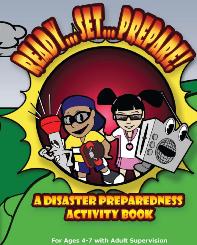
Activity Book (Ages:4-7)Disaster Preparedness
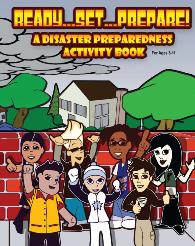
Activity Book (Ages:8-11)
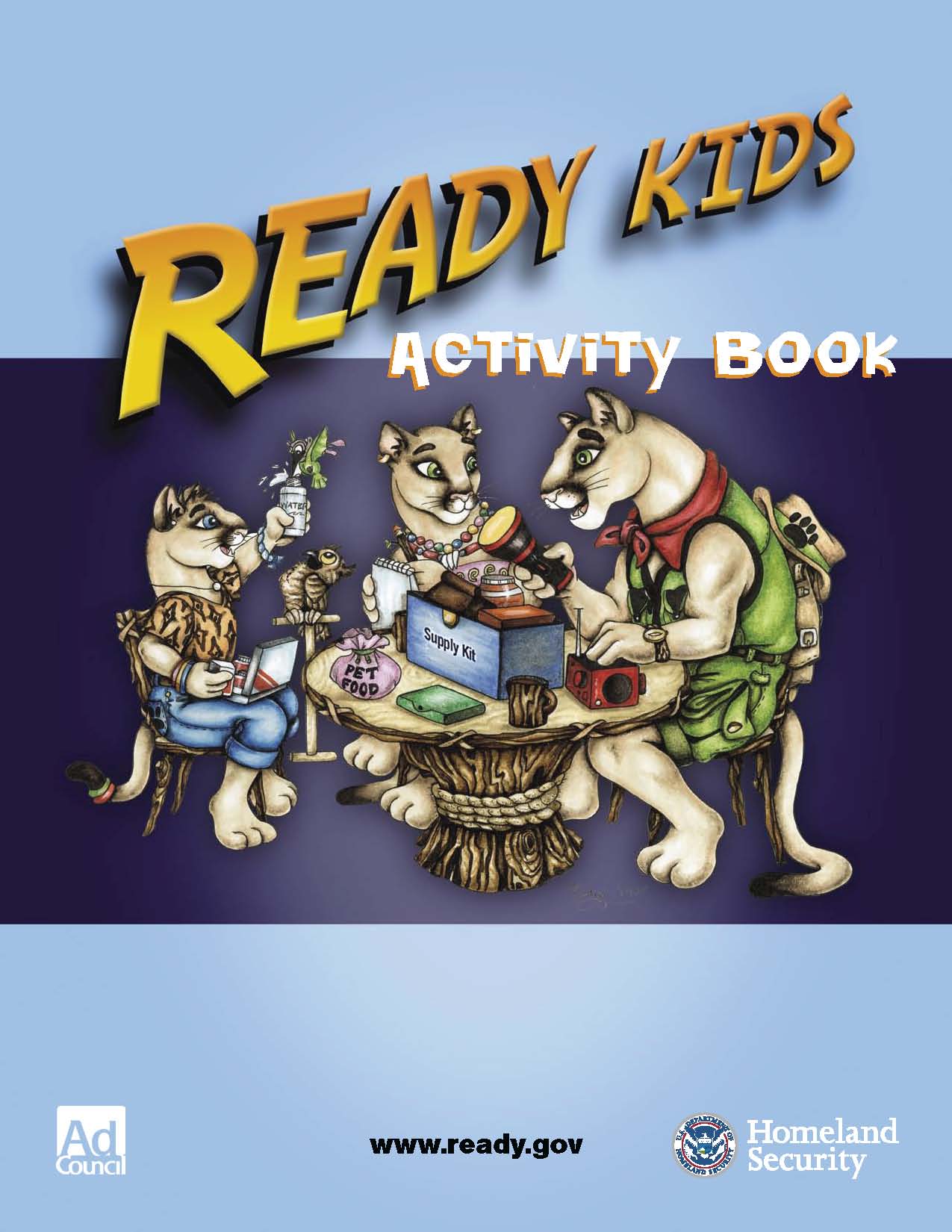
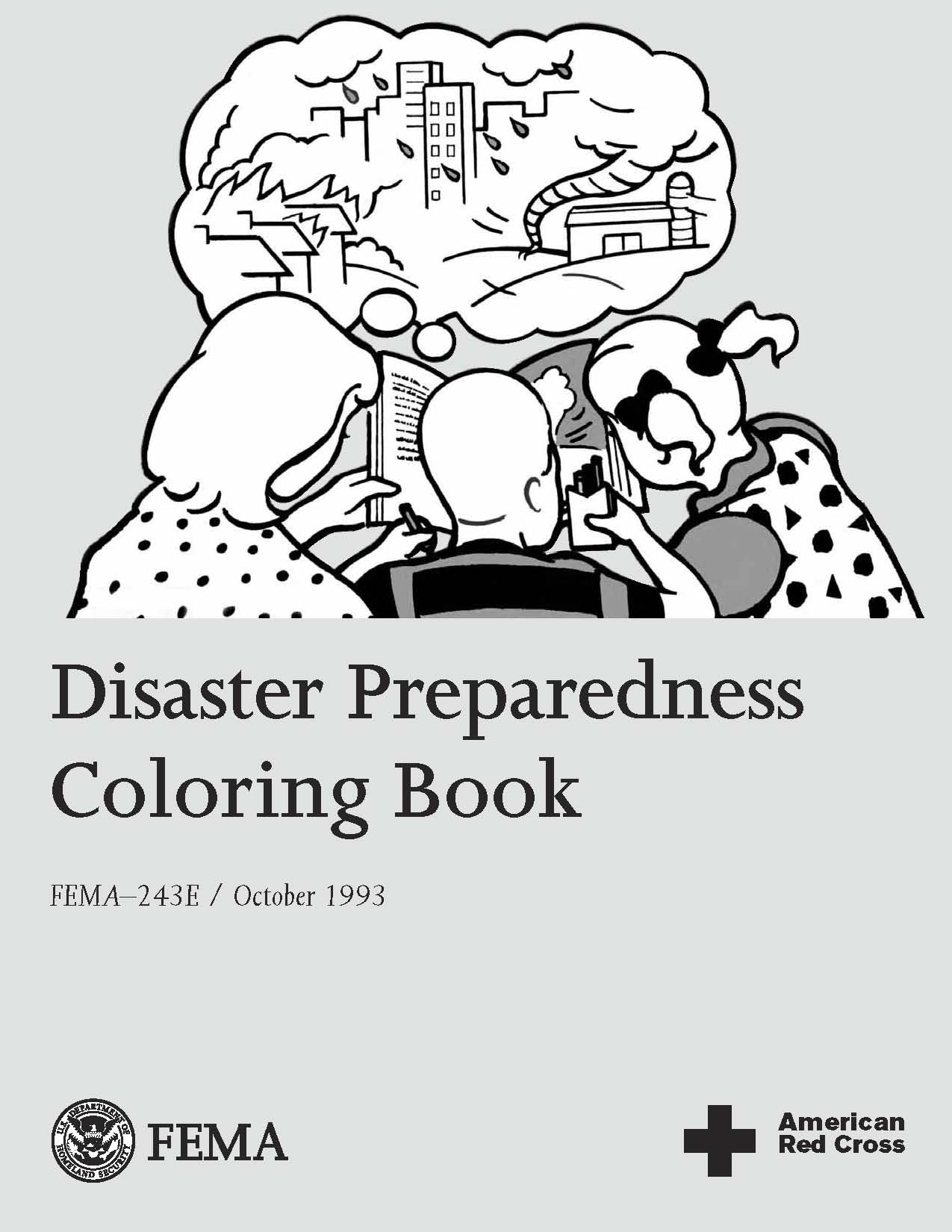
Ready Kids Activity Book PDF Disaster Preparedness Coloring Book
FEMA 243E (PDF 926 KB,
TXT 25 KB)
Available in Spanish (PDF 612 KB, TXT 25 KB)
For ages 3-10.
10 Important Questions National Flood Insurance Program - Spanish pdf
Preparing for Disaster - FEMA 475 (PDF 668 KB, TXT 17 KB)
Available in Spanish (PDF 500 KB), TXT 22 KB
Provides step-by-step disaster preparedness procedures including hazard identification, how to create a family disaster plan, how to assemble a disaster supplies kit, and how to maintain a plan and kit.
Helping Children Cope with Disaster - FEMA 478 (PDF 488 KB, TXT 13 KB)
Available in Spanish (PDF 529 KB, TXT 15 KB)
Provides information on how to prepare children prior to disaster and how to lessen the emotional effects of disaster.
Food and Water in an Emergency - FEMA 477 (PDF 589 KB, TXT 17 KB)
Available in Spanish (PDF 691 KB, TXT 19 KB)
Explains how to select and store food and how to store and treat water in the event of an emergency. Provides information on emergency cooking, where to locate emergency water, and how to assemble a portable disaster supplies kit with food and water.
Preparing for Disaster for People with Disabilities and other Special Needs - FEMA 476 (PDF 732 KB, TXT 26 KB)
Available in Spanish (PDF 601 KB, TXT 32 KB)
Provides disaster preparedness information specific to people with disabilities and other special needs, including the elderly.
Are You Ready? An In-depth Guide to Citizen Preparedness (IS-22)
http://www.fema.gov/areyouready/
is a 100-page publication that provides a step-by-step outline on how to prepare a disaster supply kit, emergency planning for people with disabilities, how to locate and evacuate to a shelter, and even contingency planning for family pets. Natural hazards and man-made threats from hazardous materials and terrorism are also treated in detail with specific preparedness and response information for each hazard.
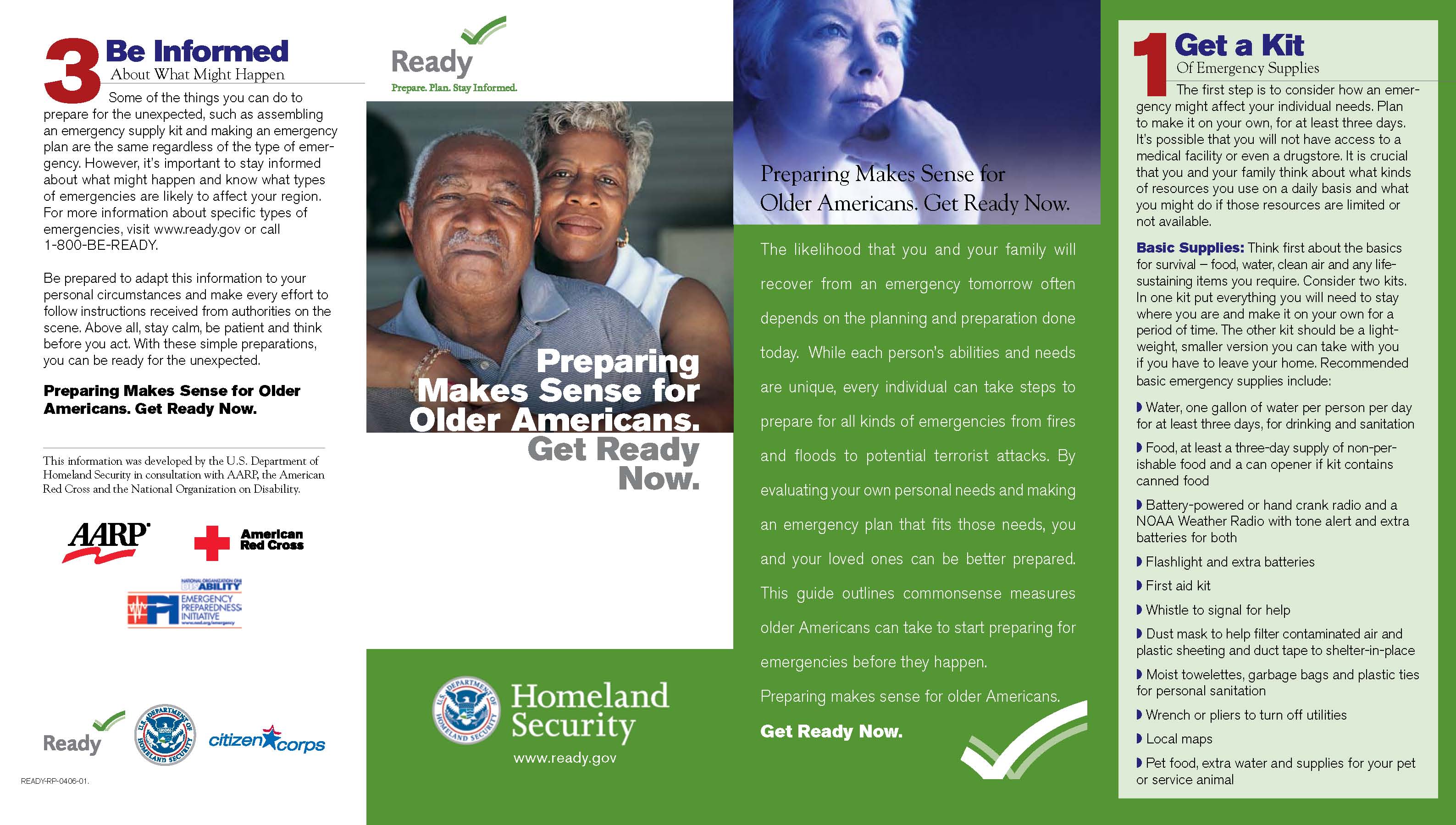
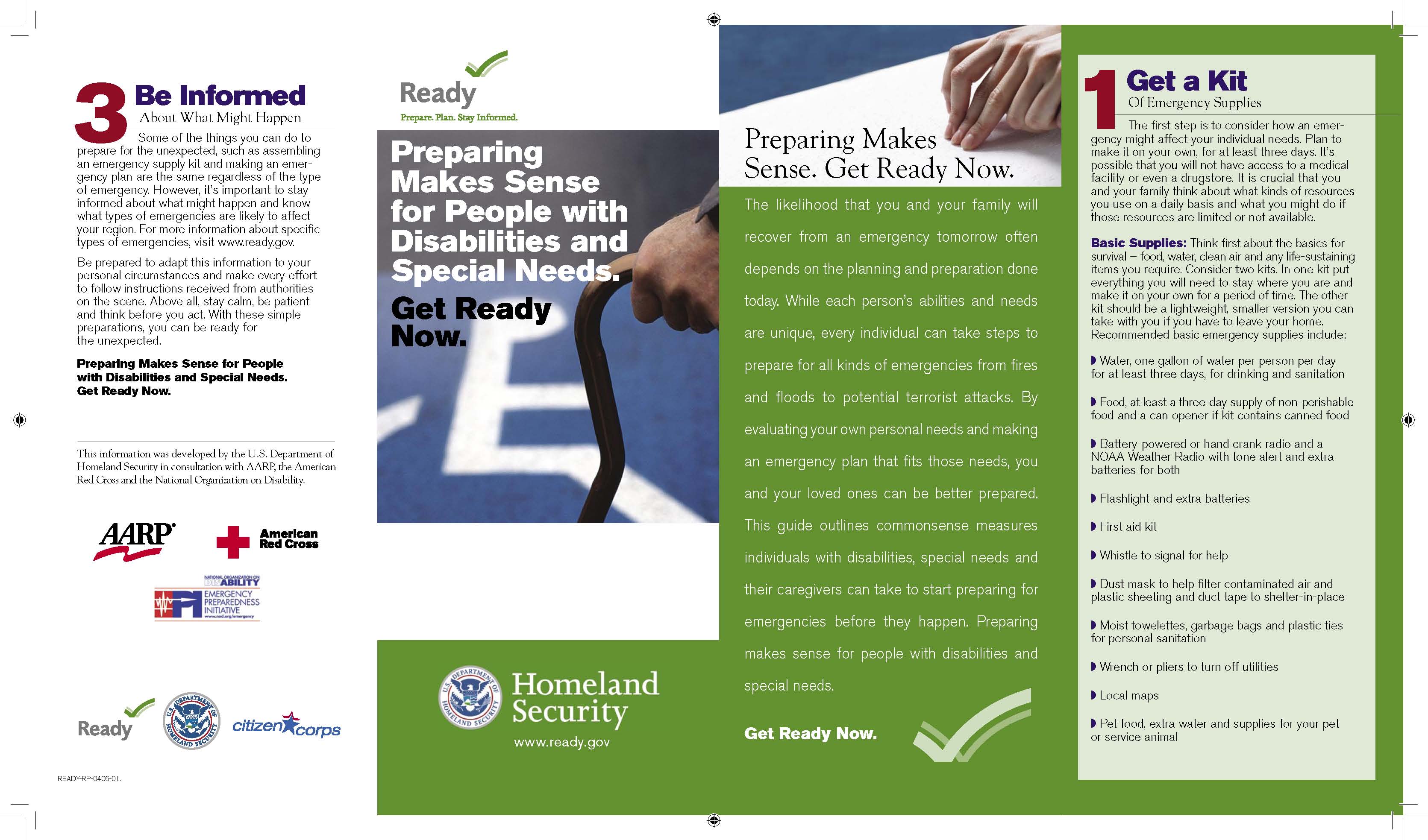
Preparing Makes Sense Preparing Makes Sense (Spanish) Preparing Your Pets for Emergencies Makes Sense Preparing Makes Sense for Older Americans Preparing Makes Sense for
Persons with Disabilities and Special NeedsNFIP - Myths and Facts NFIP - Top Ten Facts Help After a Disaster
Applicant's Guide to the Individuals & Households Program
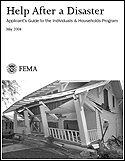
This program guide provides information that will help you understand our disaster assistance program and explains how to apply.
PDF version (867KB)
Text version (63KB)
Korean (PDF 291KB, TXT 33KB)Hatian Creole (PDF 704KB, TXT 86KB)
Guía para Solicitantes al Programa para Individuos y Familias
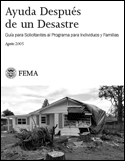
Esta guía del programa proporciona información que le ayudará a entender el Programa para Individuos y Familias (IHP) y le explicará como puede solicitar ayuda.
Emergency Management Guide for Business & Industry
FEMA 141
- Table of Contents
- Download the PDF version of the Emergency Management Guide for Business & Industry (349 KB)
Introduction
A hurricane blasts through South Florida causing more than $25 billion in damages. A fire at a food processing plant results in 25 deaths, a company out of business and a small town devastated. A blizzard shuts down much of the East Coast for days. More than 150 lives are lost and millions of dollars in damages incurred.
Every year emergencies take their toll on business and industry -- in lives and dollars. But something can be done. Business and industry can limit injuries and damages and return more quickly to normal operations if they plan ahead.
About This Guide
This guide provides step-by-step advice on how to create and maintain a comprehensive emergency management program. It can be used by manufacturers, corporate offices, retailers, utilities or any organization where a sizable number of people work or gather.
Whether you operate from a high-rise building or an industrial complex; whether you own, rent or lease your property; whether you are a large or small company; the concepts in this guide will apply.
To begin, you need not have in-depth knowledge of emergency management. What you need is the authority to create a plan and a commitment from the chief executive officer to make emergency management part of your corporate culture.
If you already have a plan, use this guide as a resource to assess and update your plan. The guide is organized as follows:
- Section 1: 4 Steps in the Planning Process -- how to form a planning team; how to conduct a vulnerability analysis; how to develop a plan; and how to implement the plan. The information can be applied to virtually any type of business or industry.
- Section 2: Emergency Management Considerations -- how to build such emergency management capabilities as life safety, property protection, communications and community outreach.
- Section 3: Hazard-Specific Information -- technical information about specific hazards your facility may face.
- Section 4: Information Sources -- where to turn for additional information.
What Is an Emergency?
An emergency is any unplanned event that can cause deaths or significant injuries to employees, customers or the public; or that can shut down your business, disrupt operations, cause physical or environmental damage, or threaten the facility's financial standing or public image. Obviously, numerous events can be "emergencies," including:
- Fire
- Hazardous materials incident
- Flood or flash flood
- Hurricane
- Tornado
- Winter storm
- Earthquake
- Communications failure
- Radiological accident
- Civil disturbance
- Loss of key supplier or customer
- Explosion
The term "disaster" has been left out of this document because it lends itself to a preconceived notion of a large-scale event, usually a "natural disaster." In fact, each event must be addressed within the context of the impact it has on the company and the community. What might constitute a nuisance to a large industrial facility could be a "disaster" to a small business.
What Is Emergency Management?
Emergency management is the process of preparing for, mitigating, responding to and recovering from an emergency.
Emergency management is a dynamic process. Planning, though critical, is not the only component. Training, conducting drills, testing equipment and coordinating activities with the community are other important functions.
Making the "Case" for Emergency Management
To be successful, emergency management requires upper management support. The chief executive sets the tone by authorizing planning to take place and directing senior management to get involved.
When presenting the "case" for emergency management, avoid dwelling on the negative effects of an emergency (e.g., deaths, fines, criminal prosecution) and emphasize the positive aspects of preparedness. For example:
- It helps companies fulfill their moral responsibility to protect employees, the community and the environment.
- It facilitates compliance with regulatory requirements of Federal, State and local agencies.
- It enhances a company's ability to recover from financial losses, regulatory fines, loss of market share, damages to equipment or products or business interruption.
- It reduces exposure to civil or criminal liability in the event of an incident.
- It enhances a company's image and credibility with employees, customers, suppliers and the community.
- It may reduce your insurance premiums.
Saferooms
Know Your Risk And Have A Safe Place To Go… with Time to Get There
When severe weather threatens, individuals and families need advance warning and protection from the dangerous forces of extreme winds. Individuals and communities in high-risk tornado and hurricane areas need structurally sound shelters and early alert systems.
Additional Websites and Resources
- Texas Tech University Wind Engineering Research Center
- American Red Cross
- National Storm Shelter Association
- Storm Prediction Center
- U.S. Small Business Administration
- Centers for Disease Control and Prevention
- Prevention Guides for Emergencies and Disasters
- The Tornado Project
- Before, During and After a Tornado
- National Weather Service
FEMA strongly encourages homeowners and communities to build safe rooms and shelters but cannot endorse or approve specific manufacturers or producers. Disclaimer